Perinatal OCD: what kind of parent thinks that?
Intrusive thoughts about harm coming to a baby are reported by the great majority of new parents. What makes it a condition is everything you have started doing about the thought.
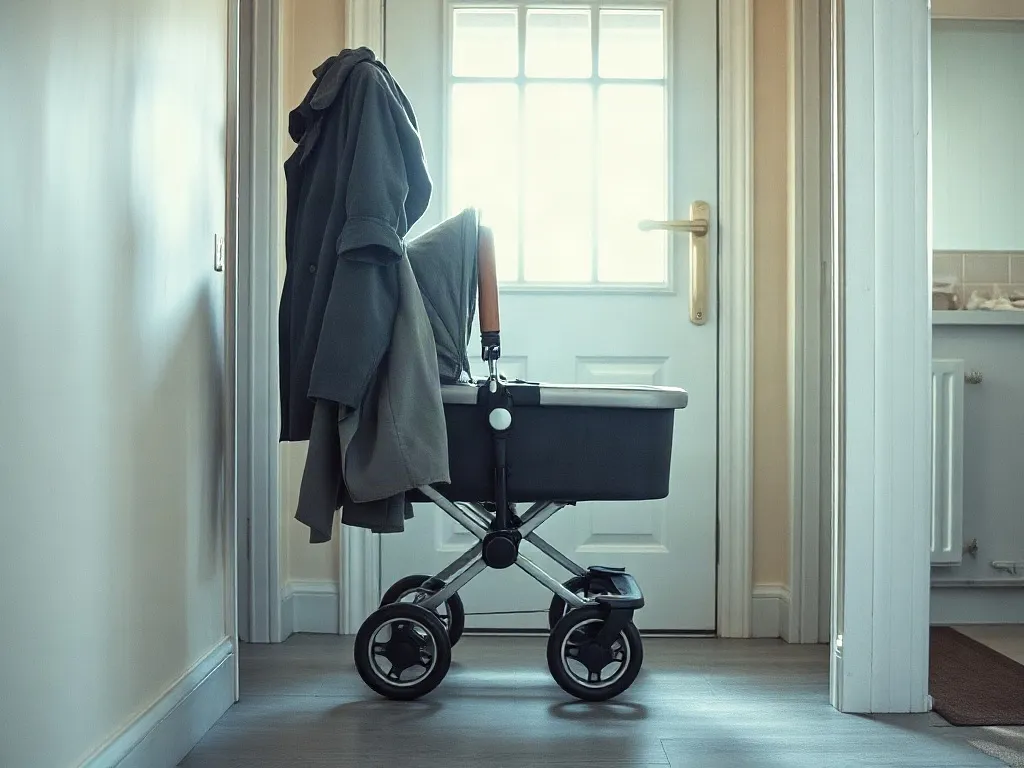
A thought or an image arrives involving your baby. Dropping them. The bath. The stairs. Something happening in the night. It lasts a second. What follows is horror, and then a question that will not let go: what kind of parent thinks that?
The answer is not the one the question assumes.
Almost all of them
Intrusive thoughts about harm coming to a baby, including thoughts of causing it, are reported by the great majority of new parents. They arrive precisely because you are now responsible for something small, fragile and infinitely precious, and your mind, which has always produced intrusive thoughts, is now producing them about the thing that matters most. The image of dropping the baby at the top of the stairs is the mind noticing the danger of the stairs. The thought about the bath is the mind noticing the bath. Almost nobody says so, which is why you think you are alone.
What makes it a condition is everything you have started doing about the thought.
What the day becomes
The day starts rearranging itself around making sure. You check that they are breathing, then check again on the way past. You hand over bath time. You find reasons not to be alone with them. The knives move, the windows stay shut, the stairs get taken differently or not at all. You replay the moment you felt a flash of irritation at four in the morning and examine it for what it proves. You look inwards for the rush of love everyone described, and monitoring for it is the surest way to stop being able to find it, and then the absence becomes the evidence.
This is perinatal OCD. It can begin in pregnancy or at any point in the first year, and it is one of the most recognised presentations there is.
Why the thought sticks
OCD goes after whatever you hold most carefully. A parent who did not care about their baby would not be tormented by an image of harm coming to them; it would pass, unnoticed. The thought sticks because it runs against everything you want, and the distress it causes is the measure of the distance between the thought and you. The horror is the clearest sign that this is OCD rather than hidden intent.
Why you tell nobody
Not your partner, and certainly not the health visitor. You sit through the six-week check being asked whether you have been feeling low, and you say you are tired. The silence has two roots: shame, because saying it sounds unsayable, and fear, that saying it will mean the baby is taken away.
Safeguarding responsibilities exist for every therapist. What triggers them is risk to a child, not a parent in distress about thoughts they find repellent. Telling those apart is ordinary clinical work and part of what assessment is for, and professionals who know this presentation recognise it quickly. When you describe the thoughts to someone who understands them, you are naming a symptom, not confessing to anything.
Not the same as other things
Perinatal OCD is different from postnatal depression, though they can occur together and OCD is often recorded as depression when nobody asks the right question. Depression centres on mood, exhaustion and loss of pleasure; this centres on intrusive thoughts and the checking or avoiding they drive. If both are present we treat both.
It is also different from postpartum psychosis, which is a medical emergency. In OCD the thoughts appal you and your insight is intact; you know they make no sense, which is precisely why they distress you. In psychosis, the beliefs feel true rather than horrifying, insight is lost, and there may be confusion, elation or not sleeping at all, usually coming on fast in the first days or weeks. If you are unsure which you are describing, contact your GP, midwife, health visitor or NHS 111 today rather than waiting for an appointment with me.
What treatment does
The treatment is CBT with exposure and response prevention, which NICE recommends for OCD, and this theme responds as well as any other. We will not try to settle whether you are safe to be around your child, because answering that is the compulsion and every answer has expired within the hour. We map the cycle and withdraw the compulsions gradually, by agreement, and let your own experience do the teaching. Exposure here never involves any risk to your baby; it means giving up the safety behaviours, bathing your own child, carrying them down your own stairs, being alone with them without a running commentary.
Sessions run over secure video. You can feed during a session, the baby can be in the room, and it is fine if we are interrupted. If you have been saying you are tired when you mean this, there is more on how I treat perinatal and postnatal OCD.