Getting back the places panic took from you
The motorway, the supermarket, the train. Avoidance grows quietly until life is small. Getting the places back is usually the goal people care about most, in steps you control.
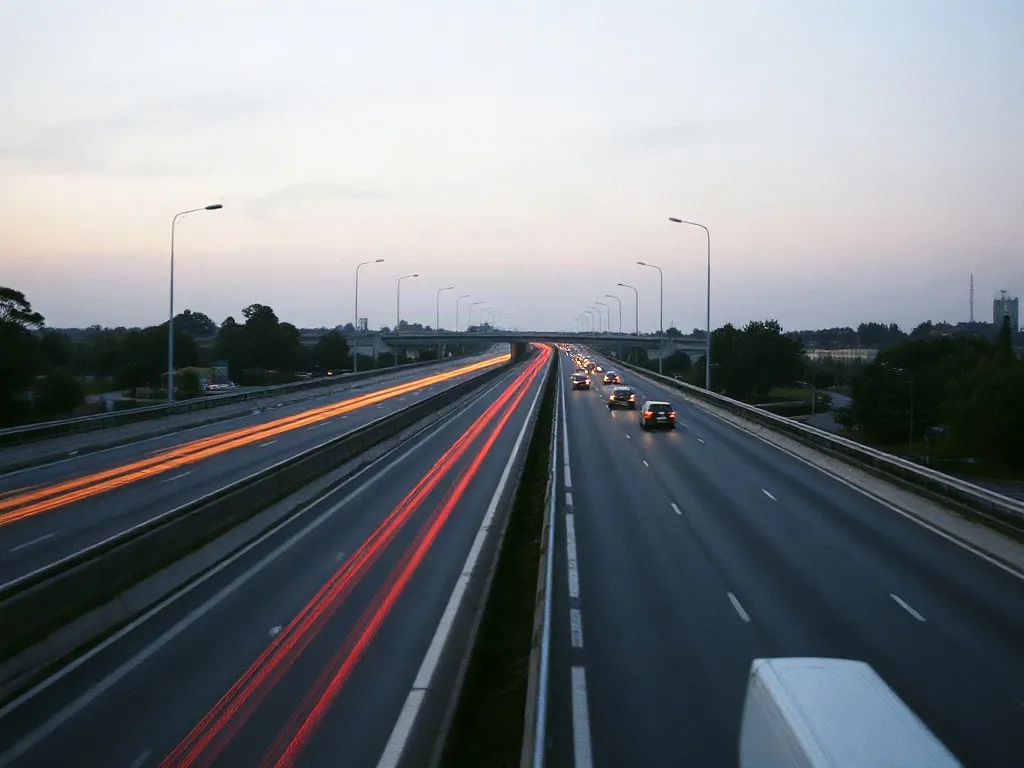
It probably started with one place. The place where the first attack happened, or the place where it would be hardest to get out. You stopped going there, which seemed sensible. Then a second place felt similar, and a third, and now the map of where you can go has shrunk to a few safe routes, and even those have conditions: only with someone, only with water, only near the exit, only if you are feeling all right that day.
Your life has got smaller around a thing that has not actually happened yet. Getting the places back is usually the goal people care about most, and it is done gradually, in steps you agree to in advance.
How avoidance grows
Avoidance feels like the sensible response to panic. If the supermarket brought it on, do not go to the supermarket. The relief is immediate, and the relief is the problem, because it teaches your alarm that the supermarket was dangerous and avoiding it was necessary. The belief that something terrible would have happened is never tested, because you were never there to test it.
Then the alarm generalises. If the supermarket is dangerous, what about the shopping centre? The cinema? Anywhere with a queue? Each new avoidance brings the same relief and the same lesson, and the boundary moves inwards a little more. Agoraphobia, which is what this is when it has spread far enough, is panic's avoidance grown large rather than a separate condition, and it is treated as part of the same picture.
The conditions on the safe places
Alongside outright avoidance there are the conditions: the things that make a place survivable. Someone with you. Water. Medication in the bag. The aisle seat. Knowing where the exits are. Sitting down when your heart goes. These are safety behaviours, and they do the same thing avoidance does, more quietly. If you got through the train journey and nothing happened, the water and the aisle seat get the credit. You never find out that nothing would have happened anyway.
The return is graded, and you control it
In CBT for panic, getting the places back comes after the work on the sensations themselves, because once your alarm has learned that a racing heart is not a catastrophe, the places lose most of their power. Then we plan the return in steps.
We build a ladder together, from a place you could go this week with manageable anxiety to the one you want most. Each step is agreed in advance. Nothing is sprung on you. And each step is done without the conditions: without the companion, without the water, without the seat by the door, because the point is to find out what happens without them, and what happens is that the anxiety rises, peaks and falls, and you are still there.
You carry the steps out in your own week, record what happened, and we review each one together afterwards. The records are your evidence, gathered in the places you feared, and they are worth more than anything I could say.
What if it happens there?
People ask what happens if they have a panic attack during a step. The honest answer is that it might, especially early on, and that it is not a failure. A panic attack that you stay through, without escaping, without the safety behaviour, is one of the most powerful pieces of learning available: the worst thing happened, and it peaked, and it passed, and you were fine. The alarm cannot argue with that. What we avoid is escaping at the peak, because escape files the same lesson avoidance does.
How long it takes
Panic often responds quickly. Many people see meaningful change within 6 to 12 weekly sessions, and the places tend to come back faster than people expect once the sensations have been dealt with, because the fear of the place was always the fear of the sensation in that place. The motorway and the supermarket come back, and the conditions fall away one by one.
If your world has been shrinking around the fear, there is more on how I treat panic disorder, including the avoidance that grows with it.