Specialism
Therapy when you're having thoughts of ending your life
A place to say it out loud without watching someone panic, and to build reasons and ways to stay. Online across the UK, in English or Spanish.
If you are in danger right now
Therapy is a weekly appointment. It is not a crisis service, I don't monitor messages between sessions, and there may be days when you can't reach me. If tonight is the problem, these are the people to ring — they are awake, and they will not be shocked.
- 999 or A&E — if you are in immediate danger, or you have already acted on the thoughts
- NHS 111, option 2 — for a mental health crisis, 24 hours a day
- Samaritans: 116 123 — free, any time, day or night. You do not have to be about to act to be allowed to ring them
- Text SHOUT to 85258 — free, confidential text support, 24/7
- Papyrus HOPELINE247: 0800 068 4141 — if you are under 35
Use those first if you need to. Therapy will still be here afterwards.
Does this sound familiar?
It covers a wide range, and all of it counts. At one end, not particularly wanting to be here — going to bed half hoping not to wake up, or finding yourself thinking that everyone would manage perfectly well without you. At the other, thinking about method and timing in a way that frightens you. Most people move up and down that range rather than sitting still on it.
There is often relief in it, which is the part that is hardest to admit. Knowing there is a way out can be the thing that makes an unbearable week survivable, and that is why being told to stop thinking about it lands so badly.
Underneath, the same handful of beliefs turn up again and again. That you are a burden. That you are trapped, and nothing available to you would change it. That this is permanent — that the way today feels is simply how things are now. The third one is doing most of the damage, and it is the one depression is best at manufacturing.
And most people say nothing. Not because they want attention, but because the one time they tried, the person opposite went pale, or made it about themselves, or asked a question they were clearly terrified of the answer to. So you learn to manage the conversation instead of having it, which leaves you carrying it alone.
How I work with this
The first thing this room offers is somewhere you can say it plainly and watch nothing dramatic happen. I will ask direct questions — whether you have a method in mind, whether you have access to it, whether you have acted on it before — and I ask them calmly, because they are clinical questions rather than accusations. Talking about it does not make it more likely. Not talking about it is what leaves it running unsupervised.
The work has two strands and we run them together. The first is now: a safety plan we write jointly, in your words — the early warning signs, what has actually helped before, who you would ring at two in the morning, and what we can do about access to the method, which is one of the few changes with strong evidence behind it. You keep a copy. It is a practical document, not a promise you are being made to sign.
The second is whatever is generating the thoughts. Usually that is depression, and depression responds well to CBT: we work on the burden and trapped and permanent beliefs, and on getting activity back in before the motivation to do it arrives, because it arrives in that order and not the other. Where there is trauma underneath, EMDR is often part of it. Where the problem is a real, external situation — debt, a marriage, an immigration status, a job — we work on the situation, because reappraising a genuinely unbearable circumstance is not therapy, it is gaslighting.
What I will not do is hand you a list of reasons to be cheerful. Reasons to stay are built rather than recited, and they are built mostly by reducing the pain until the future becomes thinkable again.
I will also be honest about the limits of this. If what you need is more than a weekly 50-minute appointment can safely hold, I will say so rather than quietly carry on, and I will help you get to your GP, the NHS crisis team or a home treatment team. That is not me getting rid of you; it is the same judgement I would want from anyone treating someone I loved.
What to expect
We talk about it directly in the first session, and we keep checking in on it rather than asking once and filing the answer. You will not have to raise it from scratch every week.
You will know exactly where confidentiality ends before you need to know. What you tell me stays between us, and the exception is a serious and immediate risk to your life or to someone else's, particularly a child. Even then, the first move is a conversation with you about who to involve, not a call made behind your back. Being sectioned is a specific legal process involving doctors and an approved mental health professional; it is not something a private therapist can set in motion because you were honest in a session.
There are no safety contracts. I will not ask you to promise you will still be here next week as a condition of treatment, because that gets you a promise rather than the truth, and the truth is what I need.
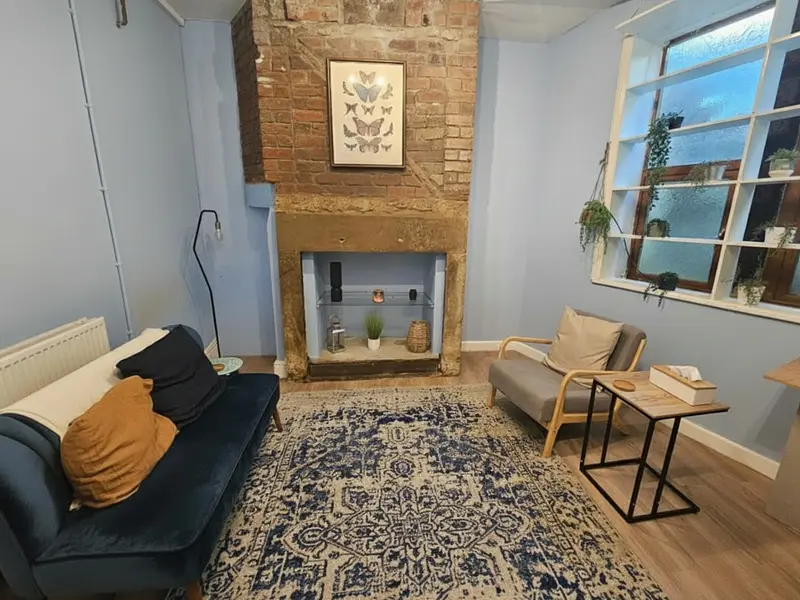
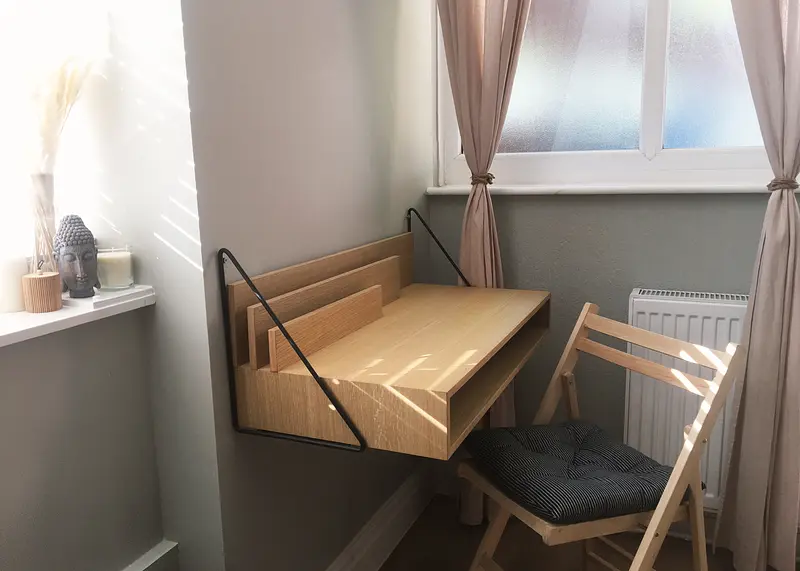
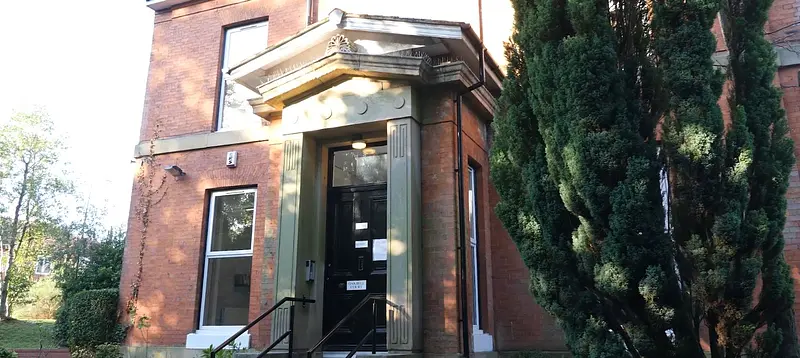
Sessions are weekly, 50 minutes, online across the UK and worldwide or in person at Sanctuary Therapy Centre in Prestwich and Hebden Bridge. Where medication or NHS involvement would help, I will say so and work alongside your GP — therapy and medication are not competing options.
Common questions
If I tell you, will I be sectioned? No. Detention under the Mental Health Act is a legal process involving doctors and an approved mental health professional, reserved for situations of serious immediate risk where nothing less restrictive will do. A private therapist cannot start it because you were honest about your thoughts, and the overwhelming majority of people who talk about this in therapy are never anywhere near it.
Will you tell my GP? Not routinely, and where it would help I would want to do it with you and with your agreement. The exception is serious immediate danger, and I will have told you that before it is ever relevant.
I don't want to die, I want it to stop. That is the most common version of this by a long way, and it is a good starting point, because what you are describing is wanting an end to pain rather than an end to your life. Those are different problems and the second one has more solutions.
I've felt like this on and off for years. Long-standing suicidal thinking is workable. It tends to respond to a slower, steadier course than a recent crisis does, and the goal early on is usually getting the peaks lower rather than removing the thoughts outright.
Is therapy enough on its own? Sometimes. Sometimes it works best with medication or alongside NHS support, and part of the assessment is being honest with you about which of those this looks like.
What if I can't promise to be safe? Then don't. I would rather know where you actually are than have a promise that costs you the ability to tell me the truth.
Can sessions be in Spanish? Yes — I offer therapy in English and Spanish.
Ready to take the first step?
A free 15-minute call to talk through what's going on and see whether working with Gisela feels right — no pressure, no obligation.



Send Gisela a message
A few lines about what's going on is enough — you don't need the right words for it. She reads every message herself and replies within one working day.