Avoiding funerals, documentaries and the night sky
Existential OCD narrows the world quietly: no death conversations, no physics videos, no looking up. Getting the avoided things back is part of treatment, gradually and by agreement.
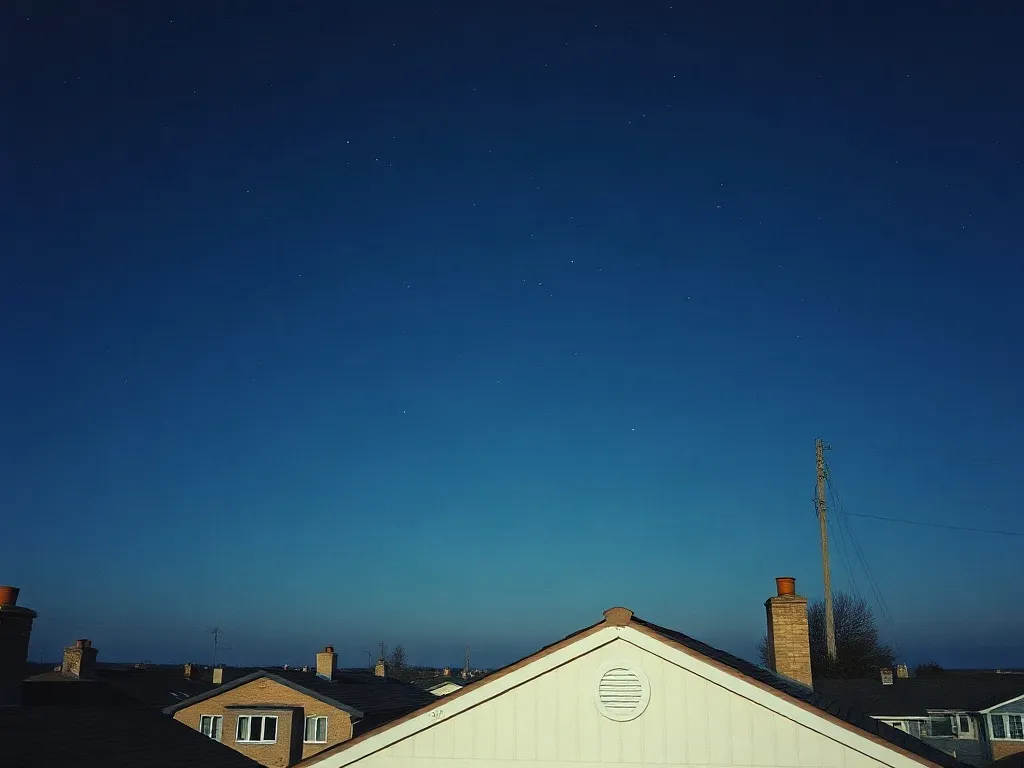
Nobody notices the avoidance, because it does not look like avoidance. You are busy on the night of the documentary. You step outside during the conversation about someone's grandmother. You do not look up on clear nights, not deliberately, just habitually. You have stopped reading certain kinds of books, watching certain kinds of films, following certain threads. And birthdays have become quietly difficult, because a birthday is a number, and the number is a reminder.
The world gets smaller this way, one avoided thing at a time, and existential OCD is very good at making each avoidance seem like a preference.
Why avoidance keeps it going
Every time you avoid the trigger, two things happen. The dread drops, because the question has been kept out of reach. And your brain records: that was dangerous, and avoiding it was necessary. The relief rewards the avoidance. The record makes the dread larger next time.
Over months, the record thickens. The night sky is filed as a threat. Death is filed as a threat. Films about consciousness, physics, time, are filed as threats. The brain, reading the file, concludes that these subjects must be genuinely dangerous, because look how much they have needed avoiding. And so the questions, when they do arrive, arrive with more dread than before, and the avoidance widens to match.
You have never once found out what happens if you watch the documentary and let the question sit there.
What is actually being avoided
What is being avoided is the question, and the dread attached to it. The funeral or the film is just where the question is most likely to be encountered. The avoidance is protecting you from something that lives in your own head and can arrive anywhere, at any time, without a documentary. It cannot work, in the end, because the thing it is avoiding travels with you.
Getting the things back
In CBT with exposure and response prevention for existential OCD, getting the avoided things back is a deliberate part of the work, and it is done gradually and by agreement. We build a ladder, from a trigger you could face this week with manageable dread up to the ones you have arranged your life around. The film, then the book, then the conversation, then the funeral, then the night sky.
At each step, the task is to let the question arrive, notice the pull to ruminate, and decline, while you stay with the trigger. The dread rises. Then, given no rumination to feed on and no escape to confirm it, it falls. The brain records a different lesson: that was not dangerous after all. And the next step is smaller than it looked.
The difference between exposure and forcing yourself
You may have tried this already, decided one evening to watch the thing, and found the dread unbearable and switched it off halfway, or watched it to the end and spent the rest of the night ruminating. Neither is exposure. Switching off at the peak files the same lesson avoidance does. Watching while ruminating throughout is exposure without response prevention, which is the compulsion with a film on in the background.
Exposure works when it is planned, when it is stayed with past the peak, and when the compulsion is declined during it. That is what we build together, and you set the pace. Nothing is sprung on you.
The night sky
I mention the night sky specifically because it comes up so often. Something about the scale of it, the sense of infinity, is the purest trigger for this theme, and a great many people with existential OCD have not looked up in years. Getting it back is often the last step on the ladder and the one people describe most vividly afterwards: standing outside, looking up, the question arriving, and not needing to do anything about it.
If your world has been narrowing around subjects you cannot name to anyone, there is more on how I treat existential OCD, and the avoided things come back one at a time.