Everything feels unreal: derealisation explained
The world has gone flat, or you are watching yourself from behind. Derealisation is a known anxiety response. It is produced by the checking, and it eases when the checking stops.
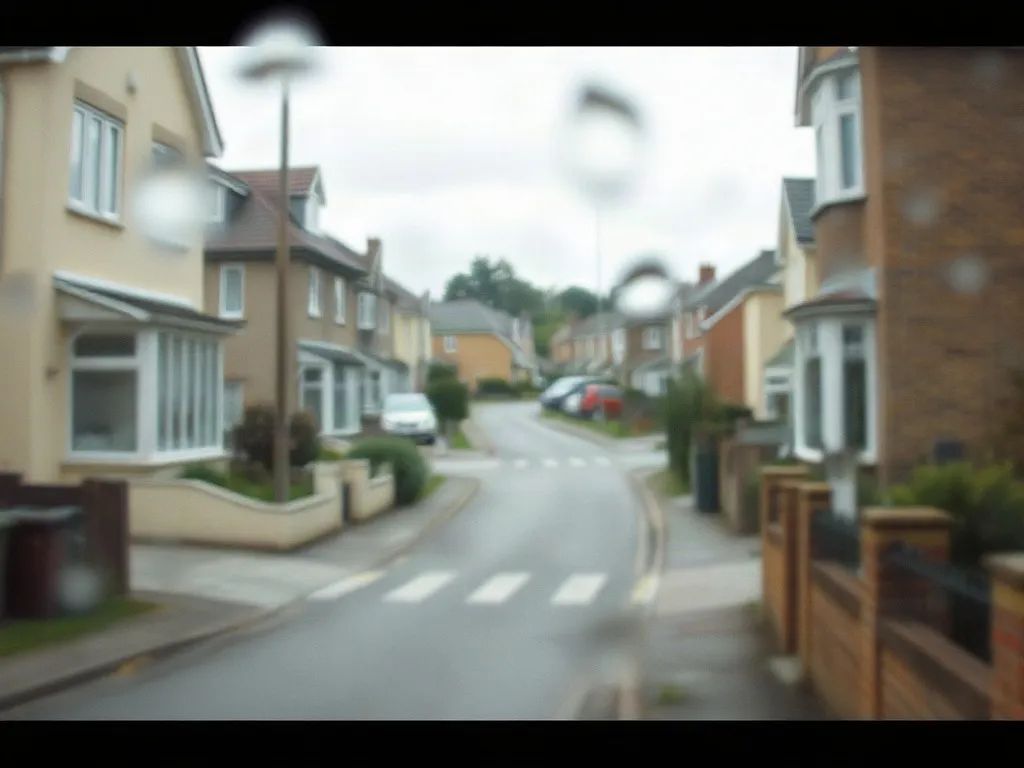
At some point it changed. The world went flat, or papery, or slightly too bright. You are watching yourself from a little behind, as though you were a character rather than a person. Your own hands look unfamiliar. And the existential questions that were already circling, what if none of this is real, what if I am the only conscious thing here, now have what feels like evidence. Because it does not feel real. You can see that it does not.
This is derealisation, and its companion, depersonalisation, and I want to explain what it is, because people with existential OCD very often take it as the question being answered, or as the beginning of losing their mind, and it is neither.
A known anxiety response
Derealisation and depersonalisation are common anxiety responses. They occur in panic, in acute stress, in exhaustion, after too little sleep and too much caffeine, and in almost anyone put under enough pressure. The mind, overwhelmed, turns down the volume on experience. Things become distant. The self becomes observed rather than inhabited. It is a protective mechanism, crude and unpleasant, and it is not a sign of anything breaking.
The people who experience it most intensely are the ones who monitor it most, and that is the connection with existential OCD.
Why checking makes it worse
If your theme is whether the world is real, you will check. Does it feel real right now? Do I feel like myself? You turn your attention to the quality of your own experience and inspect it. And experience, inspected, always looks odd. Look hard at a word and it stops looking like a word. Look hard at your own hand and it becomes a strange object. Attend to the feeling of being present and the feeling of being present goes thin, because being present is what happens when attention is on the world rather than on itself.
So the checking produces the derealisation, and the derealisation is read as evidence that the question is live, and the evidence drives more checking. It is the same loop that runs through every OCD theme: the compulsion manufactures the thing it is looking for.
It is not the answer
The world feeling unreal tells you about your nervous system, that it is anxious, over-monitored and tired, rather than about whether the world is real. A person whose theme was contamination and who felt dirty after checking would not take the feeling as proof of germs. The feeling of unreality is the same kind of thing. It is a sensation produced by the state you are in, and it is being misread as a finding.
And it is not you losing your mind
People with derealisation are often terrified that it is the first stage of psychosis. It is not. In psychosis, insight is lost: the strange beliefs feel true. In derealisation with OCD, insight is intact and painfully so; you know the experience makes no sense, which is precisely why it distresses you. The fear of losing your mind is itself a sign that you have not.
What loosens it
Derealisation usually eases on its own once the monitoring stops, which means taking attention off the quality of experience and putting it back on the world: the task, the conversation, the walk. Trying to make things feel real is another form of checking. This is part of the CBT with exposure and response prevention work for existential OCD, and it tends to follow naturally once rumination and checking are being caught early and declined.
Sleep, caffeine and rest matter too, because a tired, wired nervous system produces more of this, and some of the early improvement comes from those alone.
What I will not do
I will not debate whether the world is real. That would be performing your compulsion for you, and the relief would last until the car. What I can do is explain the mechanism, which does not depend on settling the question, and help you stop checking, which is what produces the feeling.
If everything has gone flat and you have taken it as proof, there is more on how I treat existential OCD, and derealisation is one of the first things we usually take apart.