The video work in social anxiety therapy
Seeing yourself on video is the part of social anxiety treatment people dread most, and the part they most often describe afterwards as the moment something shifted.
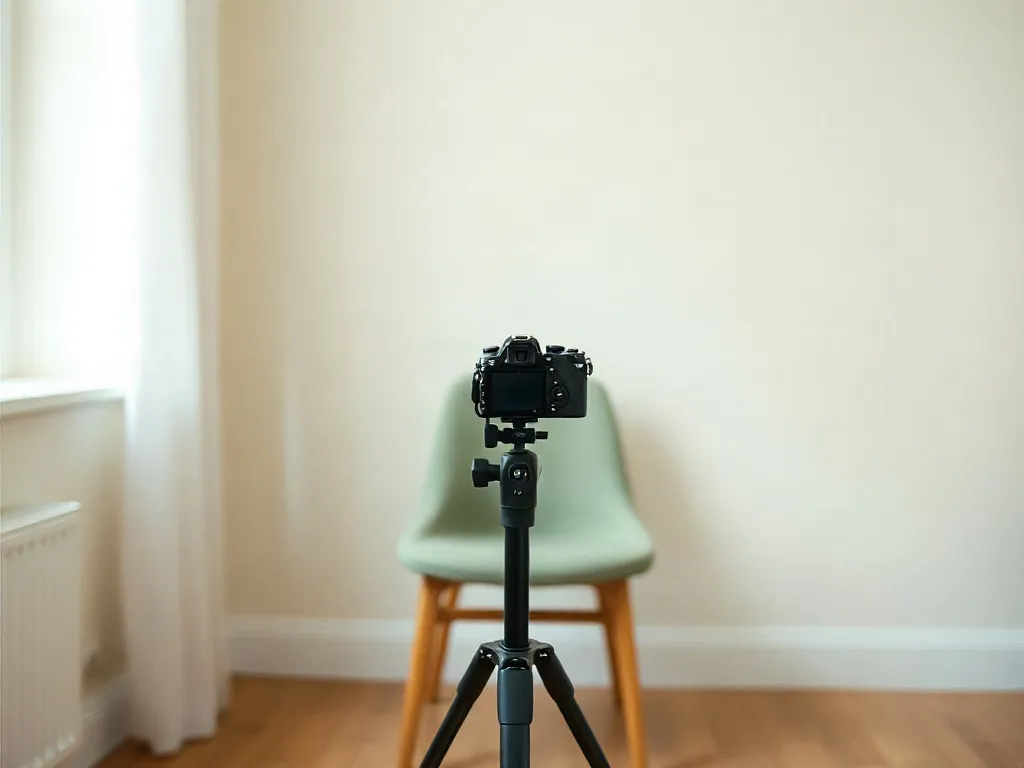
I am going to flag this in advance, because it is better to know it is coming. In the first few weeks of treatment for social anxiety, we will record you doing a short, ordinary social task, and then you will watch it. Most people dread this. Most people describe it afterwards as the moment something changed. I have rarely seen ten minutes do more.
The picture in your head
Social anxiety runs on a picture. During any social situation, part of your attention turns inward and starts watching yourself from the outside: am I going red, is my voice shaking, was that too much, was the pause too long. That inward watching produces an image of how you are coming across, and the image is what you respond to.
The trouble is that the image is not drawn from observation. It is drawn from how you feel. If you feel hot, the image shows you crimson. If your hands feel unsteady, the image shows them trembling visibly. If a pause feels endless, the image shows a silence that everyone noticed. You then carry that image home and replay it, and it becomes your memory of the event.
You have never seen the real thing. You have only ever seen the picture.
What the video does
The recording shows you the real thing. And for almost everyone, the real thing is startlingly different from the picture. The blush that felt like a furnace is a faint colour, if it is there at all. The shake is invisible. The pause is a second, maybe two, the kind of pause that happens in every conversation. The person on the screen looks, in a word most people use, normal.
This is not reassurance. I am not telling you that you looked fine; you are seeing it. Reassurance from other people has never worked, because you assumed they were being kind. The video shows you what was there.
How it is done
We do not throw you into it. The task is small and agreed together: a short conversation, a brief introduction, something well within what you can manage. Before we record, we talk through the picture. I ask you to predict, in detail, how you will come across: how red, how shaky, how long the pauses, how odd. You write it down.
Then we record, and then you watch, and we compare the recording with the prediction. That comparison is where the shift happens. It is one thing to be told the picture is wrong. It is another to have written the picture down and then watched the evidence contradict it, line by line.
Why it is not humiliating
People imagine this as being forced to watch themselves fail. What you watch is yourself not failing, in a situation where you were certain you would. Some people find it hard to look at first, and we go at your pace. Nobody is made to do anything they have not agreed to, and the recording is yours.
I will also say that the discomfort of watching is itself informative. The urge to look away, to criticise, to find the flaw, is the same inward attention that runs the anxiety. Noticing it on the screen, and choosing to watch anyway, is part of the work.
What comes next
Once the picture has been shown to be unreliable, everything else in CBT for social anxiety gets easier. Shifting attention outward, away from self-monitoring and into the conversation, makes sense once you know the self-monitoring was producing fiction. Dropping the safety behaviours, one at a time, is less frightening once you have seen that the thing they were hiding was not visible anyway. And the post-mortem afterwards loses its authority, because you have caught it, at least once, making things up.
If you would find a first phone call hard, you are welcome to send a written enquiry instead. If you are already dreading the video, that is normal, and there is more on how I treat social anxiety and where the video fits in the course.