But what if I really did leave the oven on?
The question that keeps the checking going has an honest answer: sometimes people do, and they handle it. Treatment is about carrying ordinary uncertainty, not becoming careless.
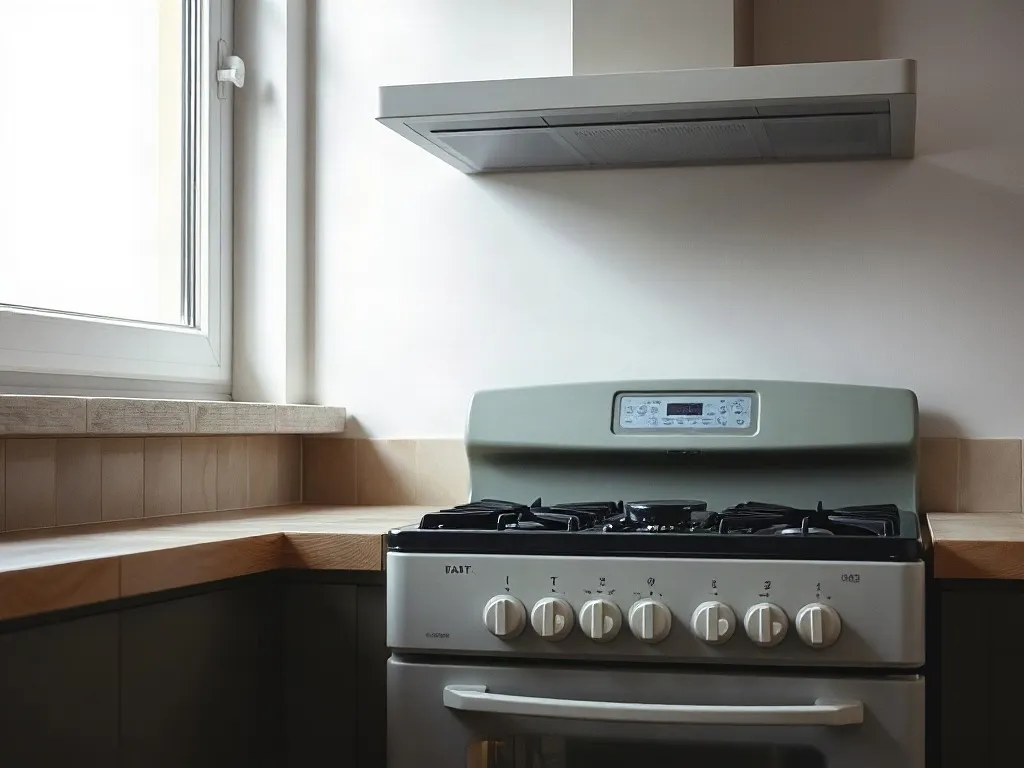
It is the objection that arrives the moment anyone suggests you check less. But what if I really did leave it on? What if the door really is unlocked? What if the one time I do not check is the time it matters? The question feels unanswerable, and the checking continues under its protection. The honest answer is the beginning of the treatment.
Sometimes people do
Yes. Occasionally, people leave the oven on. People without OCD do it. They get to work, or halfway to the shops, and remember, and they turn around, or ring someone, or, more often, conclude that it is probably fine and deal with it when they get home. Sometimes the door is left unlocked. Sometimes the tap is left running. These things happen to everyone, and they are handled, and the handling is usually mundane.
What people without OCD do not do is organise their morning around preventing these things with certainty. They lock the door, once, and walk away with a small, unexamined uncertainty about whether they did it properly. They do not know. They know it is probably fine, and probably fine is enough.
The certainty that is not available
The question "what if I really did?" is asking for certainty, and certainty about a locked door is not available to anyone. You cannot know, from the car, that the door is locked. You can only remember locking it, and memory is not certainty. What checking offers is the feeling of certainty, briefly, and the feeling wears off, and you check again for another dose.
People without OCD have the same uncertainty and a different relationship with it. They tolerate it. That tolerance is the ordinary condition of every human being who has ever left a house.
What treatment is not
Nobody is going to ask you to stop locking your door or switching off the oven, and nobody is going to ask you to become careless. What we work on is checking once, the way people without OCD do, and carrying the small uncertainty that follows, the way everyone does. The goal is the ordinary absence of the question, not a heroic tolerance of danger.
What the doubt is actually about
The doubt in checking OCD is rarely proportionate to the actual risk. The fear is "the oven might be on and the house will burn down and it will be my fault and I could have prevented it", rather than "the oven might be on and the dinner will be ruined". The stakes are inflated, and the responsibility is total. That inflation is part of the OCD, and part of the work in CBT with exposure and response prevention is looking at it: how likely, really, and how much of the responsibility, really, and what would actually happen.
But argument is itself a form of checking, so the doubt is not resolved by winning the argument. It is resolved by finding out what happens when it is not answered.
What happens when it is not answered
You lock the door once. You walk away. The doubt rises: did I? You do not go back. The anxiety peaks, and it is unpleasant, and it feels as though it will keep rising until something terrible is confirmed. And then, given no check to bring it down, it falls. On its own. The door was locked, or it was not, and either way you got through the morning, and the house was still there.
That experience, repeated, is what recalibrates the system. Your brain learns that doubt subsides without being resolved, which is the thing it has never had a chance to learn, because every previous doubt was answered with a check. We start with the checks that cost you least and build from there, at a pace you agree to.
The one time it matters
And if, one day, you really did leave the oven on? Then you will handle it, the way everyone does, with a phone call or a turn-around or a shrug. Nothing can remove that possibility, and the treatment does not try to. It removes the daily tax you have been paying to prevent something everyone else simply lives alongside.
If the question has been standing guard over your checking, there is more on how I treat checking OCD, including what the first experiments look like.