
Checking OCD
Therapy for checking that eats hours — locks, switches, messages, memories — and never brings lasting certainty.
Does this sound familiar?
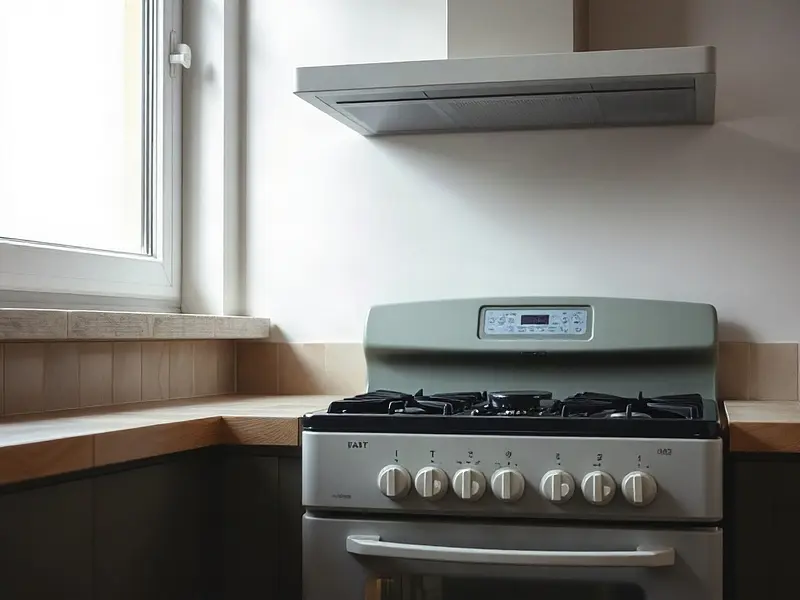
Is the door locked? Is the oven off? Did that message sound wrong — did I offend someone, hit something while driving, make a mistake at work? You check, feel briefly sure, then the doubt seeps back and you check again. Leaving the house takes twenty minutes; arriving anywhere on time has become a negotiation with your own brain.
Checking OCD runs on a cruel irony: the more you check, the less you trust your memory of having checked.
How I treat checking OCD
With CBT and Exposure and Response Prevention (ERP) — the NICE-recommended treatment — we work on tolerating the doubt instead of resolving it: locking the door once and walking away, sending the message without re-reading it, letting 'probably fine' be enough, the way it is for everyone else.
We start with the checks that cost you least and build from there, at a pace you agree to.
What to expect
A typical course runs 12–16 weekly sessions, with small between-session experiments from early on — that's where most of the change happens, and we design them together around your actual routines.
Common questions
But what if I really did leave the oven on? Everyone occasionally does — and handles it. Treatment isn't about becoming careless; it's about checking once, like people without OCD, and carrying the small uncertainty that follows.
My checking is mostly mental — replaying memories. Is that the same? Yes — mental reviewing is checking without the walking back. It's treated the same way and responds just as well.
How quickly will I see change? Many people notice the first shifts within a few weeks of starting ERP, with a typical course running 12–16 sessions.
Can sessions be in Spanish? Yes — I offer therapy in English and Spanish.
Related articles
Checking OCD: the more you check, the less you trust your memory
Is the door locked? You check, feel briefly sure, and the doubt seeps back. Checking runs on a cruel irony, and understanding it is the start of leaving the house on time.
Mental checking: replaying the day for the mistake
Re-reading the message, reviewing the conversation, replaying the drive. Checking without the walking back is still checking, and it responds to the same treatment.
Leaving the house in under twenty minutes again
Small between-session experiments, designed around your actual routines, are where most of the change in checking OCD happens. Here is what the first few weeks look like in practice.
But what if I really did leave the oven on?
The question that keeps the checking going has an honest answer: sometimes people do, and they handle it. Treatment is about carrying ordinary uncertainty, not becoming careless.




Ready to take the first step?
A free 15-minute call to talk through what's going on and see whether working with me feels right — no pressure, no obligation.




Send me a message
A few lines about what's going on is enough — you don't need the right words for it. I read every message myself and reply within one working day.