Leaving the house in under twenty minutes again
Small between-session experiments, designed around your actual routines, are where most of the change in checking OCD happens. Here is what the first few weeks look like in practice.
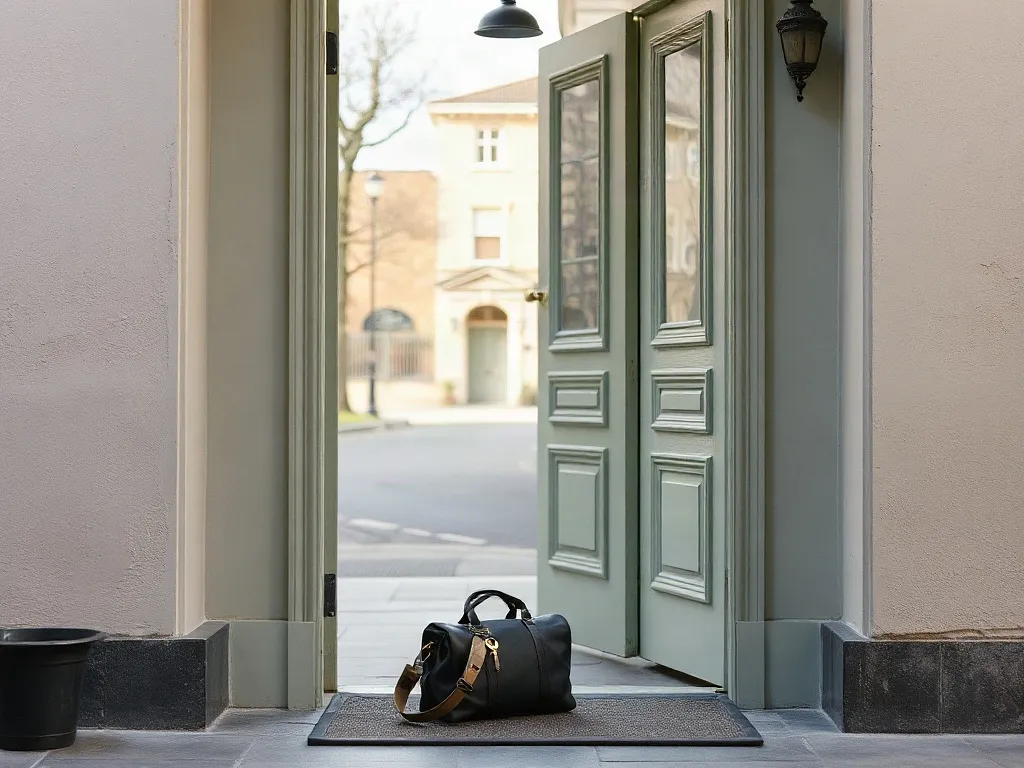
People sometimes expect treatment for checking to be mostly talking: understanding where the anxiety came from, why they are the sort of person who checks. There is some of that. But most of the change in checking OCD happens in your own hallway, at half past eight in the morning, in small experiments designed around what you actually do. This is what those look like.
First, the map
The first session or two are about understanding your particular pattern. What do you check, in what order, how many times, and what does the routine consist of? Most people are surprised by the list once it is written down: the front door, the back door, the windows, the oven, the hob, the straighteners, the taps, the plug sockets, the car, the message before sending, the bag for the keys that are already in your hand.
We also map the mental checks, the ones that happen after you have left: replaying the routine to be sure, the drive back in your mind, the message re-read on the train. And we note what each check costs: the minutes, the lateness, the negotiations with yourself.
Then, the cheapest check
We start with the check that costs you least, the one where the doubt is mildest and the routine is shortest, and leave the front door for later. Perhaps it is the straighteners, checked twice rather than once. Perhaps it is the message, read four times before sending. The experiment is simple: do it once, and do not go back.
The doubt rises. That is expected, and it is the point. What you are finding out is what the doubt does when it is not answered. It peaks, unpleasantly, and then, given no check, it falls, on its own. You record what happened: how high the anxiety went, how long it took to come down, whether the feared thing occurred. That record is your evidence, gathered in your own house, and it matters more than anything I could tell you.
Building up
Once the cheapest check has lost its charge, we move up. Each step is agreed together, in advance, and you set the pace. The hob checked once. The door locked once and walked away from without the second look. The message sent unread. The drive home left unreviewed. Nothing is sprung on you, and nothing is done because I said so; the learning depends on you choosing to stay with the uncertainty.
Some steps need shaping. If the routine is long, we might cut one item at a time rather than abandoning the whole thing. If a particular check feels impossible, we find the version of it that is merely hard. The ladder is built around your own mornings, not around a textbook.
The between-session work
This is CBT with exposure and response prevention, and the exposure and response prevention happen between sessions, because that is where the doors and ovens are. Each week we agree the experiments, you carry them out, and we review the records together. The records show something that people rarely believe until they see it in their own handwriting: the anxiety comes down faster each time, and the doubt arrives less often for checks that have been retired.
Online sessions suit this well, because I can be alongside you on the call while you do the first door-locking without the second look, in the hallway where it happens.
What changes first
Usually the time. Leaving the house drops from twenty minutes to ten to the ordinary two, because the routine has been dismantled from the cheap end upwards. Then the mental checking loosens, because the doubt has been taught to subside. Then, last, the background feeling of being responsible for preventing every possible disaster fades, and mornings become mornings again. Many people notice the first shifts within a few weeks, with a typical course running 12 to 16 sessions.
If your hallway has become the hardest part of the day, there is more on how I treat checking OCD, and the first experiment is always a small one.